Zero-click is the new normal. How to plan content for AI answers
When Google shows an AI summary, people click a normal result about half as often. Search still matters, but the job of content has changed.
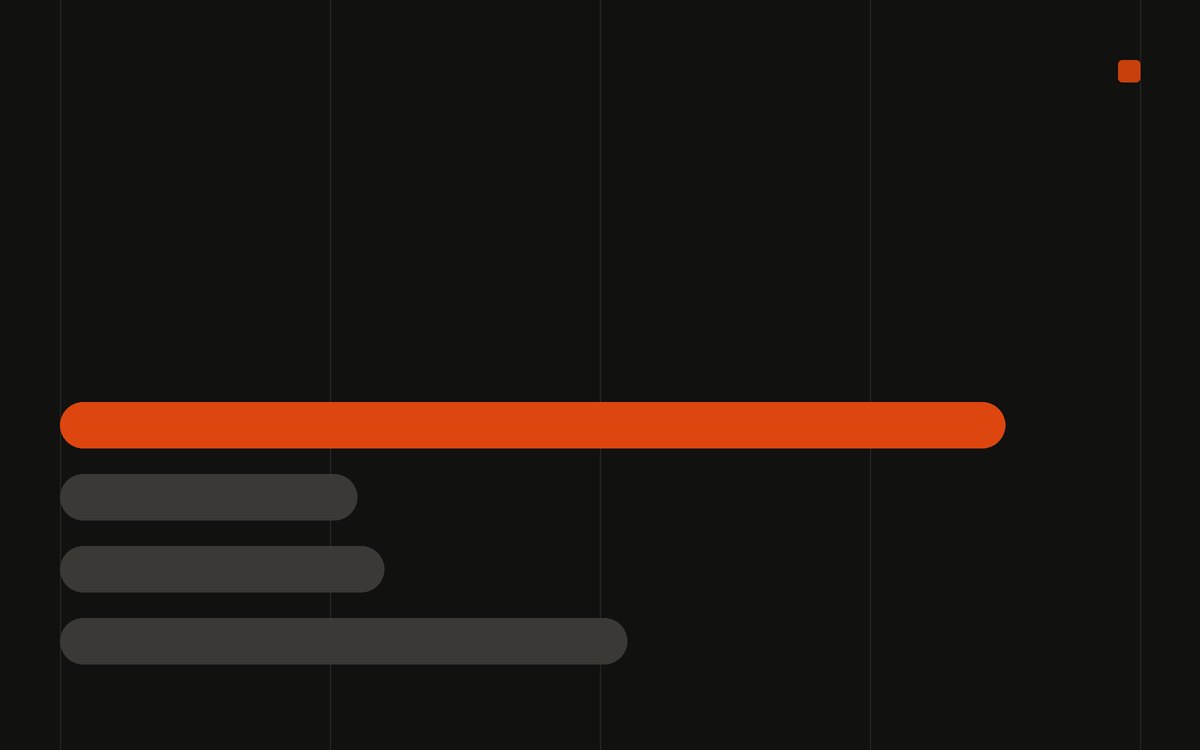
Pew Research Center tracked the browsing of 900 US adults and found that when Google showed an AI summary, people clicked a traditional result in 8% of visits, against 15% when there was no summary. Only 1% of visits included a click on a link inside the summary itself [1].
Publishers are feeling it. The Reuters Institute’s 2026 trends report, using Chartbeat data from more than 2,500 news sites, found Google organic search traffic to those sites fell by a third globally between November 2024 and November 2025 [2].
What changes for brands
Being cited beats being clicked. If the answer mentions you, you’ve won attention even without a visit.
Clarity wins. Plain explanations of who you serve, what you do and what it costs are easier for AI systems to summarise accurately.
Third-party proof matters more. Reviews, press, partner pages and creator content all feed the picture AI builds of your brand.
Measure differently. Track branded search, direct traffic, enquiries and share of mentions in AI answers, not just organic sessions.
A simple checklist
Answer the top 20 questions your customers ask, one page or section each.
Publish your pricing approach and process, even if it’s a range.
Get your founders and specialists quoted in credible places.
Refresh your most important pages regularly, with dates and sources.
Sources
Journalism, media and technology trends and predictions 2026, Reuters Institute (January 2026)
Impact of AI Overviews: how publishers need to adapt, Search Engine Journal
If you’ve just raised and want a clear first step, the Founding Partner plan starts with strategy in month one and a website in month two, for £499 a month.
Get clear on your position before you spend.
Our two-week Positioning Sprint gives you a sharp message, website copy and a sales deck your whole team can use.
From £2,400 per sprint